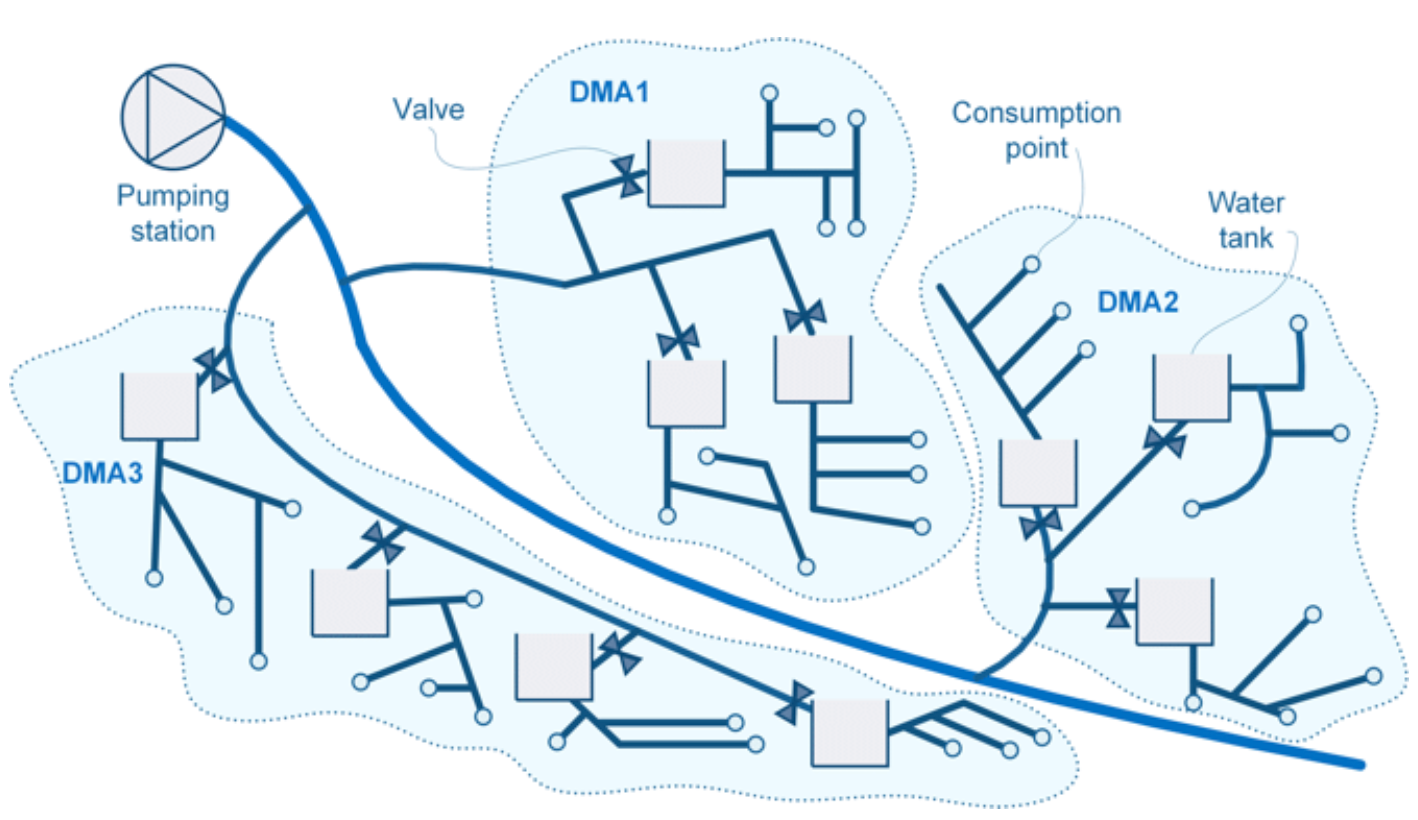
District boundary
Identify and verify the district inlets, outlets and internal service points.
 Newsroom
A district metering template for comparing measured inflows, outflows and consumption over a common period.
SOLUTION OVERVIEW
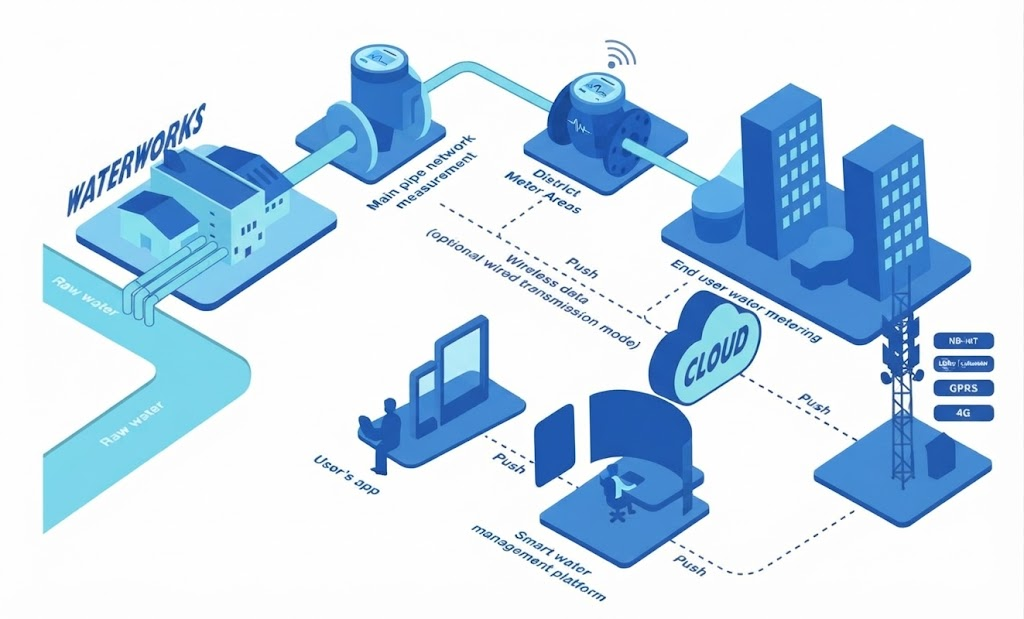
This reference design defines a district boundary, meters its relevant inflows and outflows, and collects readings through a suitable communication network. Aligned district and consumption records support water-balance review and investigation of unexplained differences. Pressure monitoring can be included where supported by the selected equipment.
Meter models, reporting intervals, network coverage and interfaces are defined during project design.
REFERENCE ARCHITECTURE
Identify and verify the district inlets, outlets and internal service points.
Measure the flows crossing the district boundary.
Collect time-stamped readings through a compatible network.
Compare aligned supply and consumption records for the agreed period.
Review differences and prioritize field investigation.
FIELD IMPLEMENTATION
READING WORKFLOW
Validate the boundary, connection points and meter locations with the utility.
Collect inlet, outlet and available consumption records with consistent timestamps and units.
Compare measured volumes, account for known authorized uses and review data gaps.
Prioritize field checks; compare subsequent readings after corrective actions.
WATER LOSS ANALYSIS
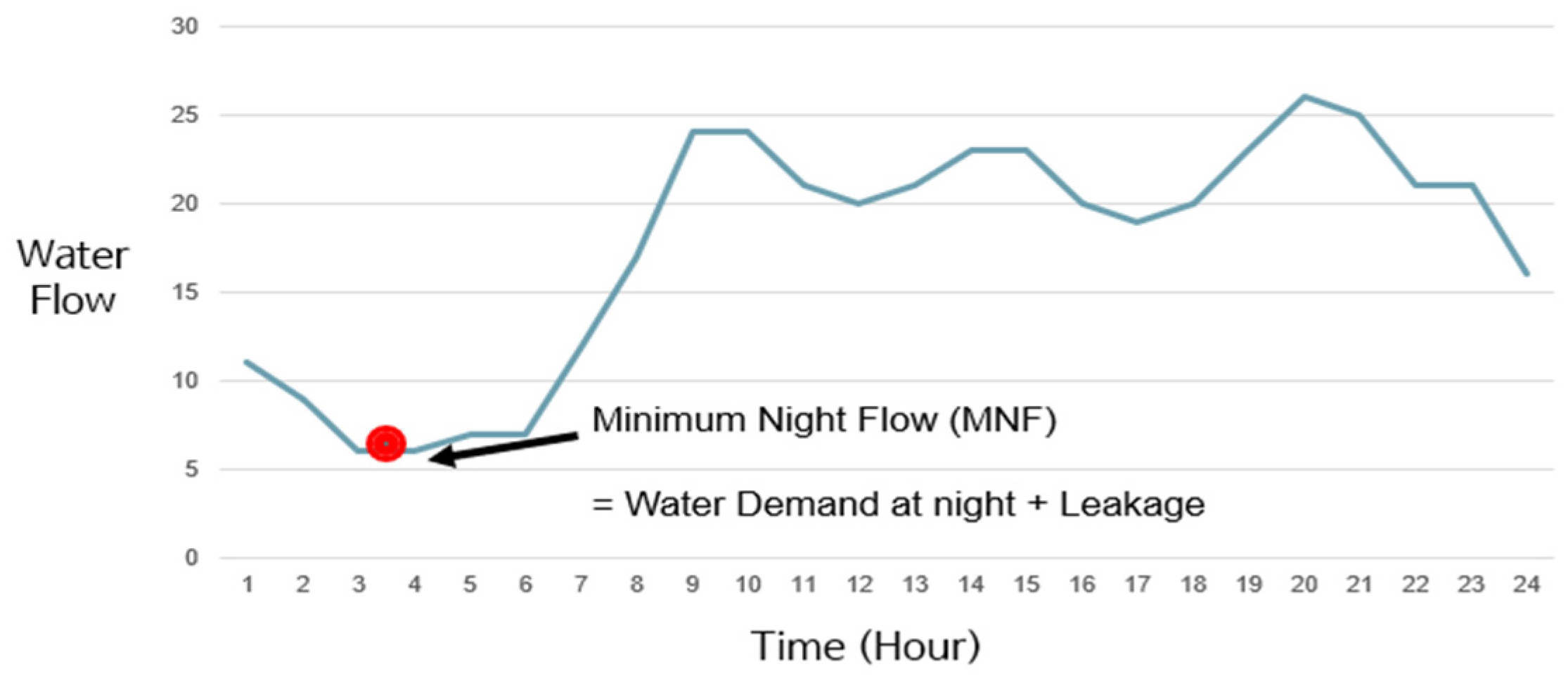
The DMA solution combines district water-balance analysis with minimum night flow monitoring. Comparing district flows with consumption records helps investigate unexplained differences; reviewing night flows supports investigation of possible leaks.
OPERATIONAL SCOPE
Review inlet and outlet volumes for each defined district.
Review differences alongside data completeness and known operating conditions.
Include pressure readings only where the chosen sensors and interfaces support them.
DEPLOYMENT PLAN
Review meter locations, installation conditions, gateway sites, power and backhaul.
Test field coverage, reading delivery and integration on representative service points.
Install and commission by zone; confirm device registration and reading acceptance.
Train the team, document the configuration and agree support and exception workflows.
PROJECT CONFIGURATION
| Item | To be defined |
|---|---|
| Meter population | Quantity, diameters, models and installation locations |
| Radio plan | District connectivity, gateway or cellular access and supported interfaces |
| Reading schedule | Aligned inlet, outlet and consumption intervals, timestamps and units |
| Hosting & integration | HES / analysis platform, district identifiers and consumption data sources |
| Acceptance criteria | Reading delivery target, pilot duration and handover requirements |
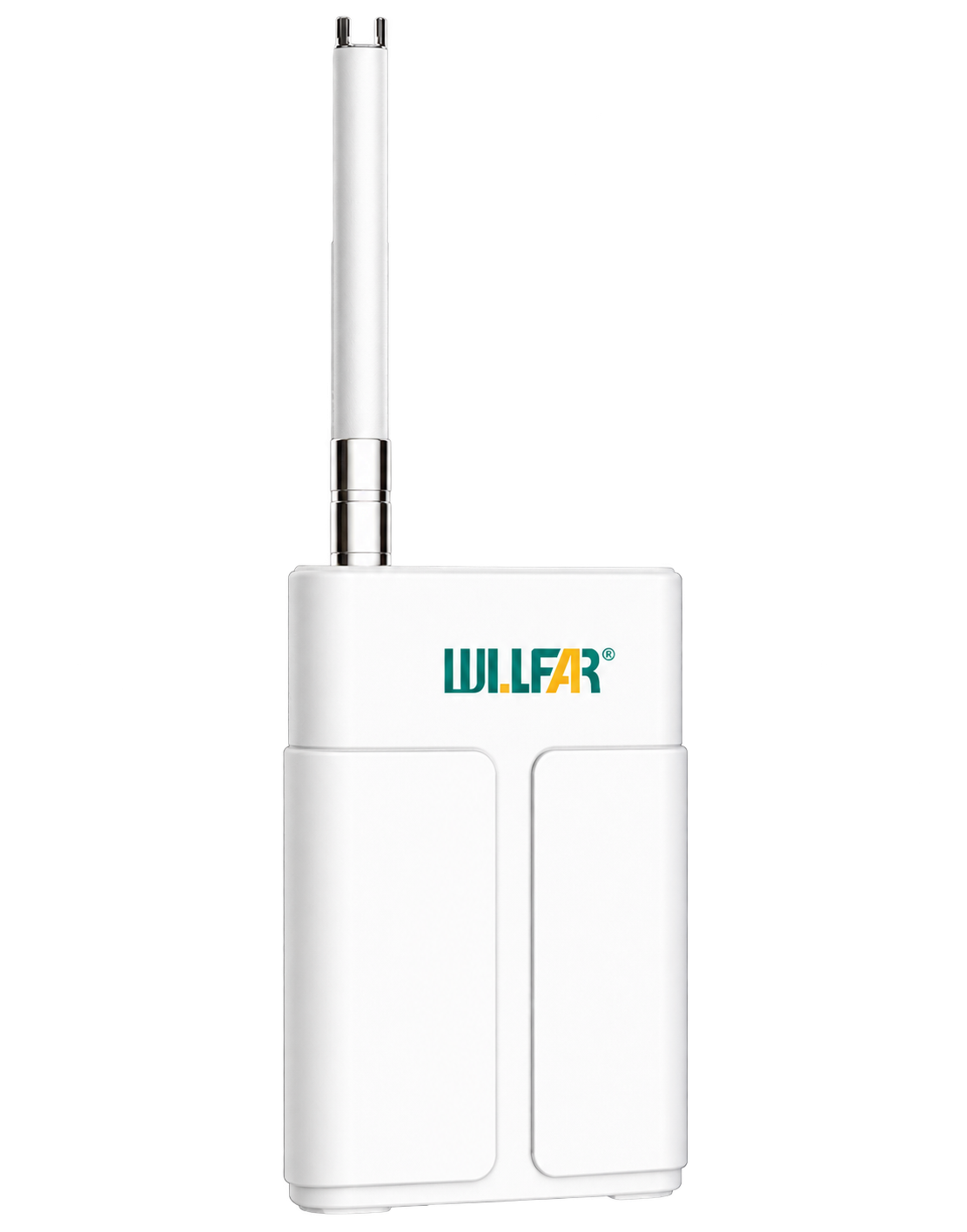
LoRaWAN gateway for connected metering networks.
Explore02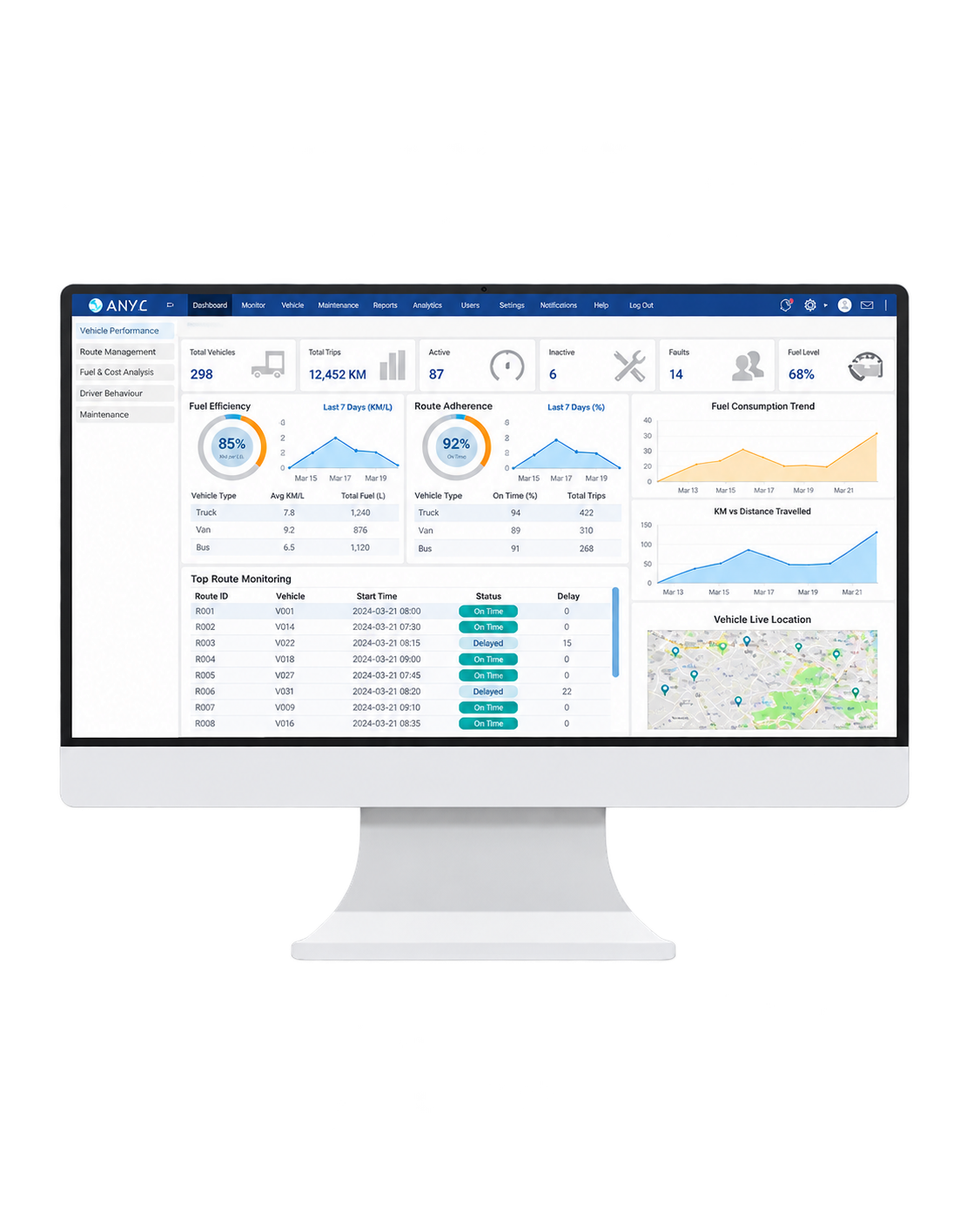
Head end system for meter communications and reading collection.
Explore03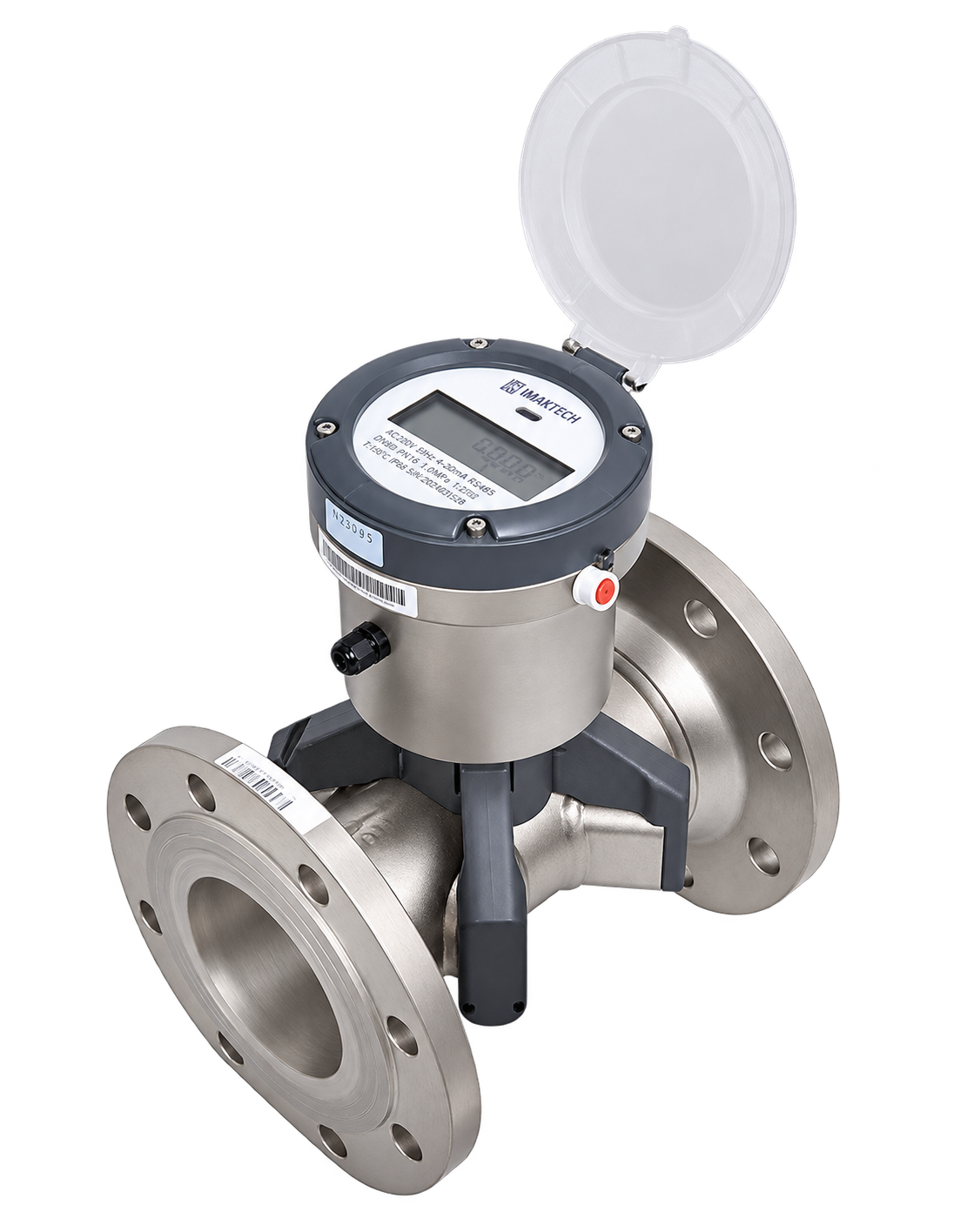
Grey LXC-D ultrasonic bulk water meter series spanning DN50 to DN300.
Explore04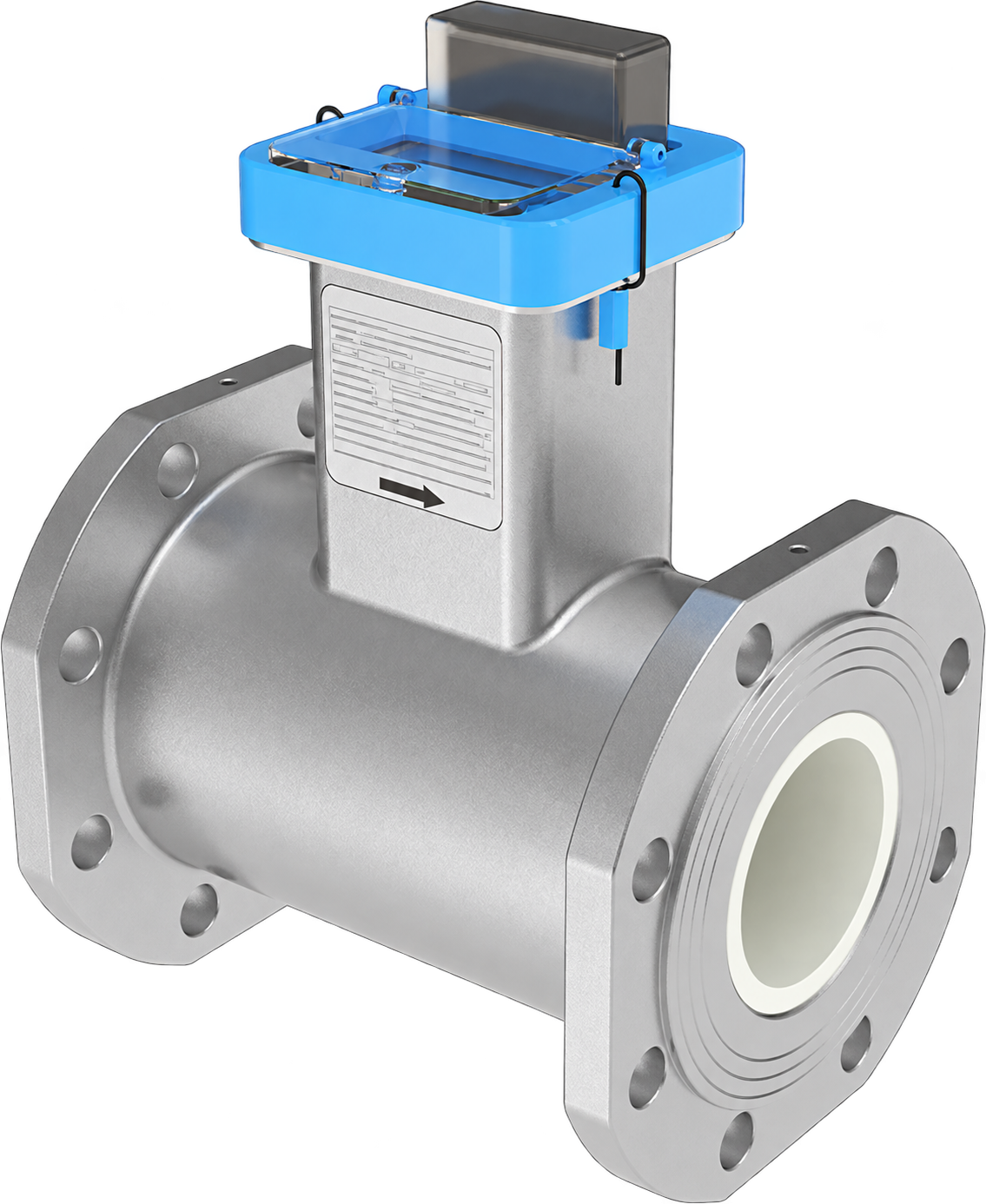
LXG electromagnetic water meter series from DN40 to DN300, with R160, R250 and R400 flow tables.
ExploreDiscuss meter selection, coverage and integration with our local team.
Contact our team →